Van leasing operates similarly to a long-term rental agreement. When you lease a van, you’re essentially hiring it for an agreed term, during which you pay a monthly fee. At the end of this term, you have the option to return the vehicle to the retailer or extend the rental period. In this van leasing explained guide, we’ll be covering all things van leasing, from getting started to the different types. Let’s take a look at it.
What Is Van Leasing?
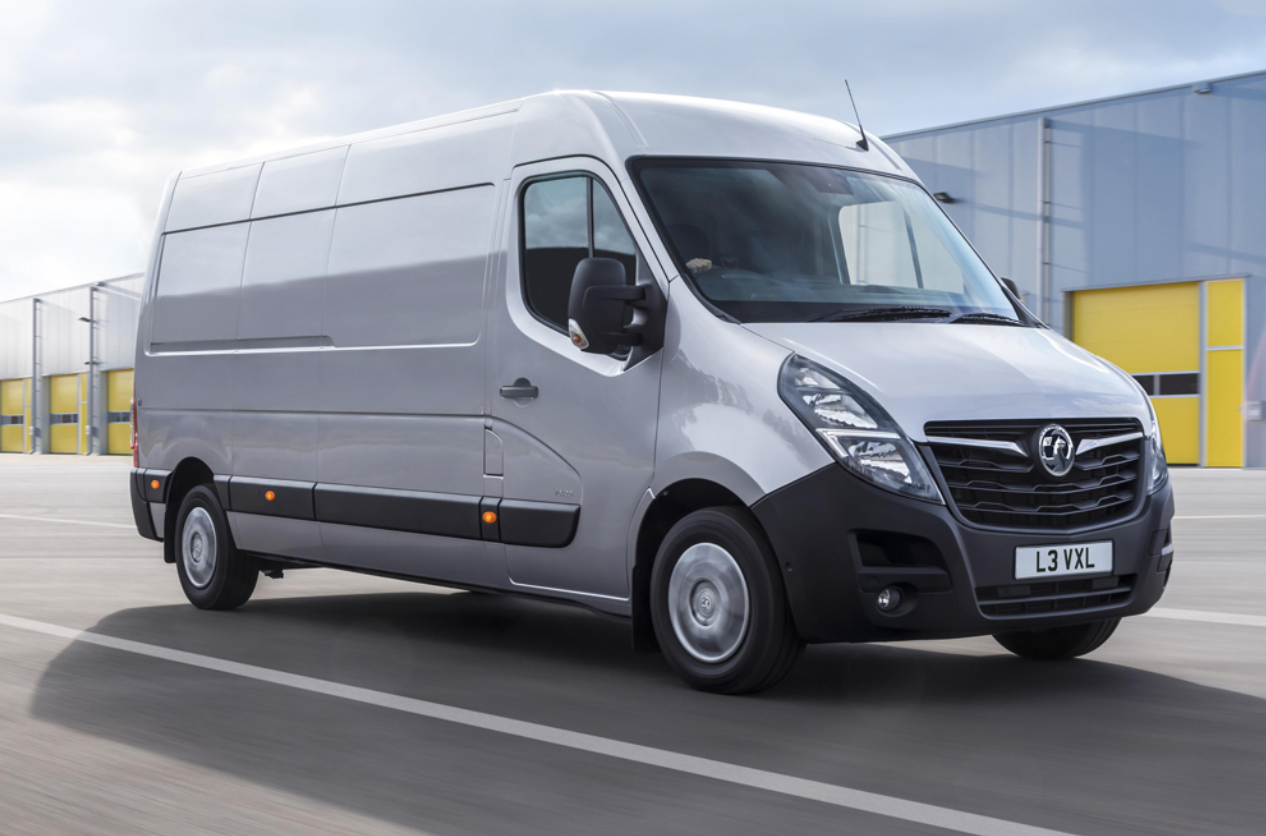
Van leasing is an alternative to purchasing a van outright. It allows both individuals and businesses to drive a new van every 2-3 years. This system offers the advantage of always having a modern vehicle equipped with the latest technologies and safety features without the hassle of selling an old vehicle and buying a new one.
Why Lease A Van with Crusader Vans?
There are several compelling reasons to consider van lease deals:
Fixed Monthly Payments
With leasing, you have the predictability of a fixed monthly payment, as the cost in the business lease purchase agreement will not change. Not only does this make budgeting more effective, but it can help to aid long-term costs associated with running a van.
No Depreciating Asset
Unlike owning a vehicle, which depreciates over time, leasing means you don’t have to worry about the van’s decreasing value. Instead, at the end of your term, you can begin to lease a new van or purchase the van for a one-off cost.
Extra Savings
Especially for businesses, leasing a brand new van can offer tax benefits, and including servicing and MOT in the lease agreement can save on unforeseen costs.

How To Lease A Van: Step-By-Step Process
- The Talk: Engage in a detailed discussion about your requirements, including finance packages and costs. The team here at Crusader will listen to your needs and help advise you on the best van lease.
- The Proposal: Once you’ve settled on your preferences, a finance proposal is taken, and approval is sought.
- Ordering: An order form detailing the vehicle’s specifications and financial details is sent to you. This form can often be signed digitally for expedited processing. When you lease vans, it is essential to confirm all details, including the length of your lease and the cover you’re opting for.
- Documents & Accessories: The finance documents are sent out after preparing your vehicle, and any additional accessories are booked for fitting. Once everything is returned, delivery is organised.
- Delivery: After completing all the steps, the vehicle is delivered to your chosen location, often at no additional cost.
What Are The Different Leasing Options?
There are various leasing options available, tailored to individual and corporate needs:
- Personal Van Leasing: This is when an individual hires a vehicle for private use. It’s often seen as a more affordable alternative to bank loans or dealer finance. While it doesn’t offer the same tax benefits as corporate leasing, it provides other advantages like flexible initial payments, fixed-term contracts, and the option to include maintenance.
- Corporate Van Leasing: Designed for businesses needing multiple vehicles, corporate leasing offers the advantage of accessing several new vehicles at a low cost. It often includes servicing and MOT in the agreement, making maintenance hassle-free.

What Is Van Business Finance Leasing?
This type of corporate leasing allows businesses to lease a fleet of vehicles. It has several tax benefits, including 100% VAT reclaimable, access to new vehicles, and corporation tax benefits for specific vehicles.
Learn more on Finance Leasing here.
What Is Van Business Contract Hire?
This refers to a business leasing a van for a fixed period at an agreed monthly cost, and the vehicle is returned to the leasing company at the end of the term.
Learn more on Contract Hire here.
What Is Van Contract Purchase?
A Van Contract Purchase is a type of lease contract where businesses can purchase the vehicle at the end of the lease term for a final payment, often for a predetermined amount known as the residual value.
Learn more on Contract Purchase here.
Conclusion
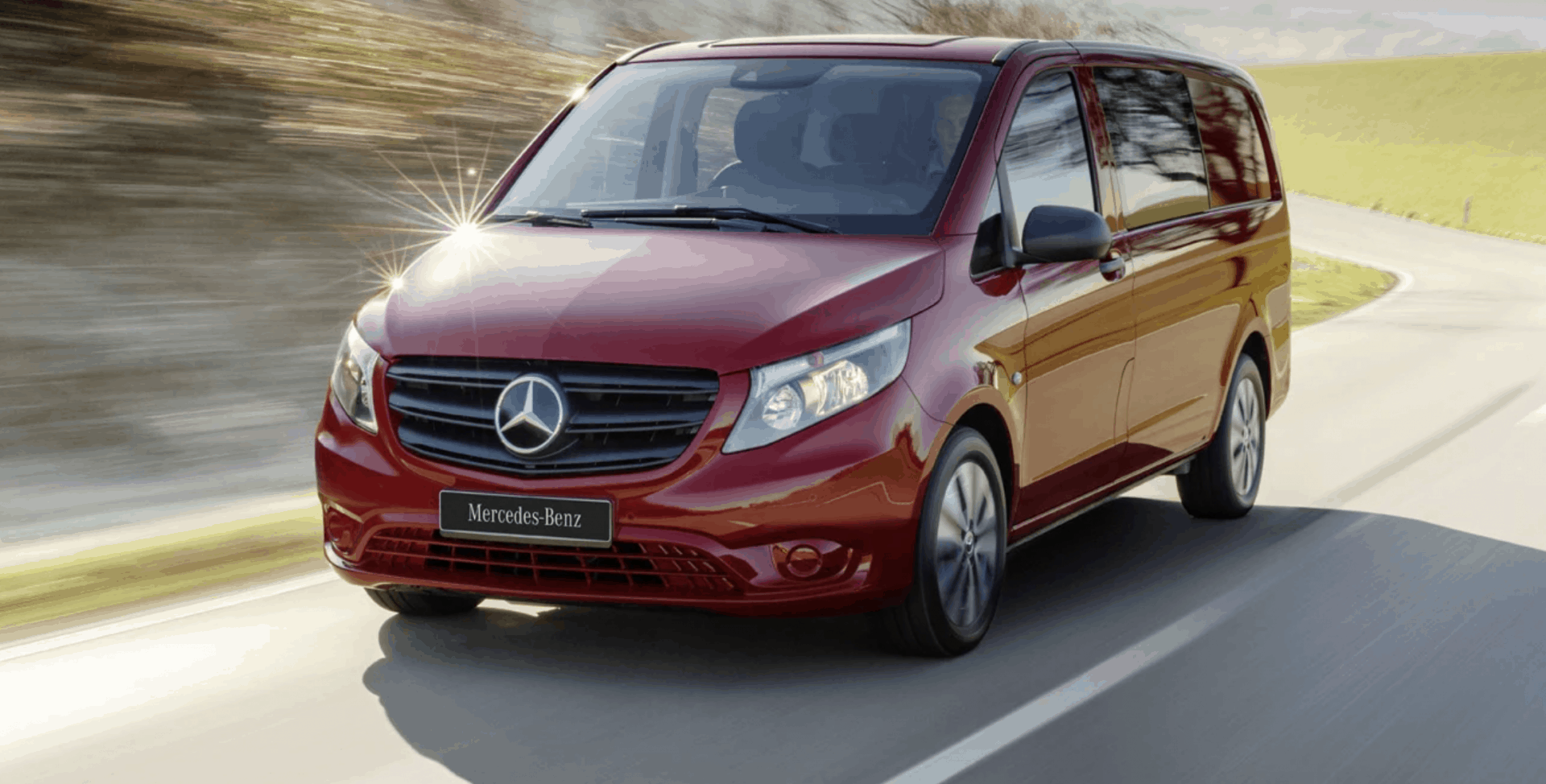
Van leasing has emerged as a viable and often advantageous alternative to purchasing a vehicle outright. Whether you’re an individual seeking the latest model without the long-term commitment or a business aiming for a fleet of vehicles with tax benefits, leasing offers flexibility, financial predictability, and access to modern amenities. As with any financial decision, it’s essential to weigh the pros and cons, but for many, van leasing aligns seamlessly with their needs in today’s fast-evolving automotive landscape.
Van Leasing FAQs:
We’ve answered some of the most frequently asked questions about van leasing below:
Is it a good idea to lease a van?
Yes, leasing a van can be a good idea for many reasons. It allows you to drive a new vehicle every 2-3 years, often comes with maintenance packages, and can offer fixed monthly payments, making budgeting easier. For businesses, there are additional tax benefits. However, it’s essential to consider your individual or business needs and financial situation.
How does a van lease work?
A van lease operates like a long-term rental agreement. You hire the van for an agreed term, paying a fixed monthly fee and an initial rental sum; at the end of this term, you can either return the vehicle to the leasing company or extend the van leasing deal, depending on the agreement’s specifics.
What type of finance do lease companies usually offer?
Lease companies like us here at Crusader Vans typically offer various finance options tailored to individual and corporate needs. These include Personal Van Leasing, where an individual hires a vehicle for private use, and Corporate Van Leasing, designed for businesses needing multiple vehicles. Other finance options might include Business Finance Leasing and Business Contract Hire, each with its terms, benefits, and considerations. It’s best to consult directly with a leasing company to understand their full range of finance options.
What happens at the end of a van finance lease?
At the end of a van finance lease, several options are typically available to the lessee:
- Return the Van: You can simply return the van to the leasing company. Any conditions regarding the van’s return condition, mileage limits, or wear and tear will be stipulated in the lease agreement, and it’s essential to ensure the vehicle meets these criteria to avoid additional charges.
- Purchase the Van: Some finance lease agreements may offer the option to purchase the van at the end of the lease term. This is often for a predetermined amount, the residual or balloon payment.
- Extend the Lease: Depending on the leasing company and the specific terms of your agreement, you might have the option to extend the lease for an additional period.
- Enter a New Lease Agreement: If you wish to continue leasing but want a newer or different model, you can return the current van and enter into a new lease agreement for another vehicle.
Can I give my lease van back early?
Yes, it is often possible to return a lease van early, but there are some considerations to keep in mind:
- Early Termination Fees: Most lease agreements have clauses that outline the conditions and fees associated with early termination. Returning the van before the end of the lease term might incur additional charges from the van finance company.
- Financial Implications: Depending on the lease agreement, you might still be responsible for the remaining payments, or a portion of them, even if you return the van early.
- Condition and Mileage: Just as with regular lease returns, the van will be assessed for any damage or excessive wear and tear beyond what’s considered normal. Additionally, if your lease had a mileage limit and you’ve exceeded it, there could be charges for the extra miles.