Large vans are a common sight on UK roads, handling heavier cargo loads for various trades. For businesses considering van leasing, a large van is a deciding factor on the best van is fuel economy. Heavier loads use more engine power to carry them, urban journeys often use more fuel than a run up and back down the motorway, and various factors need to be considered. To help you begin the process of leasing a fuel-efficient large Van, Crusader Vans takes a look at the top five most fuel-efficient large vans.
The Workhorse Dilemma
Designed for longer journeys or multiple with bulkier, often heavier loads, large vans play an important role in both multinational fleets and single-van operations. Regardless of the scale, businesses prioritise return on investment, with a keen eye on fuel expenditure. In a market saturated with vans boasting comfort features, payload ratings, and spacious interiors, distinguishing the top contenders demands a closer look at fuel efficiency.
Doing the Maths
Before diving into the lineup, it’s important to note that the listed miles per gallon (MPG) ratings are based on official Worldwide Harmonised Light Vehicle Testing Procedure (WLTP) figures. WLTP fuel consumption figures are measured in miles per gallon (the distance you can travel in miles per gallon of fuel used). The tests take place at four different speed ranges:
Extra high: up to 81mph
High: up to 60mph
Medium: up to 47mph
Low: up to 35mph
These speeds are then averaged out to give a ‘WLTP Combined’ figure. The easiest way of comparing the fuel economy between two or more vehicles is to look at the WLTP Combined figure. This is because it takes into accounts various different driving scenarios to give you a realistic estimate of the vehicle’s fuel consumption in normal
Unveiling the Top 5 Large Vans with Optimal Fuel Efficiency
1. Ford Transit – 43.5mpg

Top of the log is the iconic Ford Transit, particularly when equipped with the 105PS Ecoboost Euro 6.2 diesel engine. Boasting class-leading fuel economy at 43.5mpg, the Transit combines efficiency with a power output of 105 horsepower and a torque of 310nm. With a CO2 output of 221g/km, it stands out as one of cleanest and fuel-efficient options.
2. Fiat Ducato – 34.4mpg
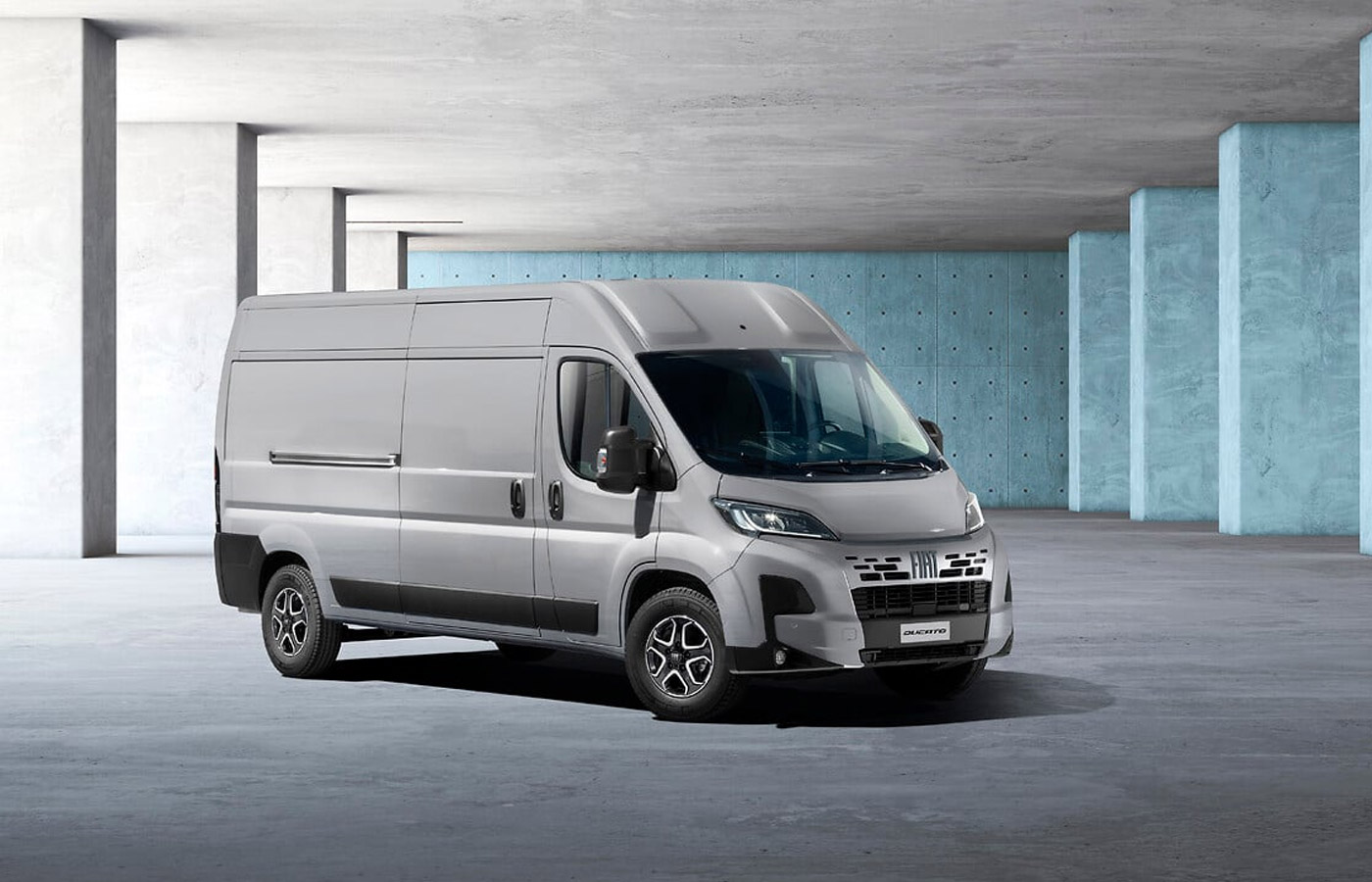
Fiat Ducato has positioned itself as a strong contender, with an impressive 34.4mpg. The 2.2-litre ‘Multijet’ powers the Ducato, delivering 120hp and a notable torque of 320nm. With a commendable CO2 emissions figure of 220g/km, the Fiat Ducato edges ahead, demonstrating efficiency in its large van category.
3. Mercedes-Benz Sprinter – 32.8mpg
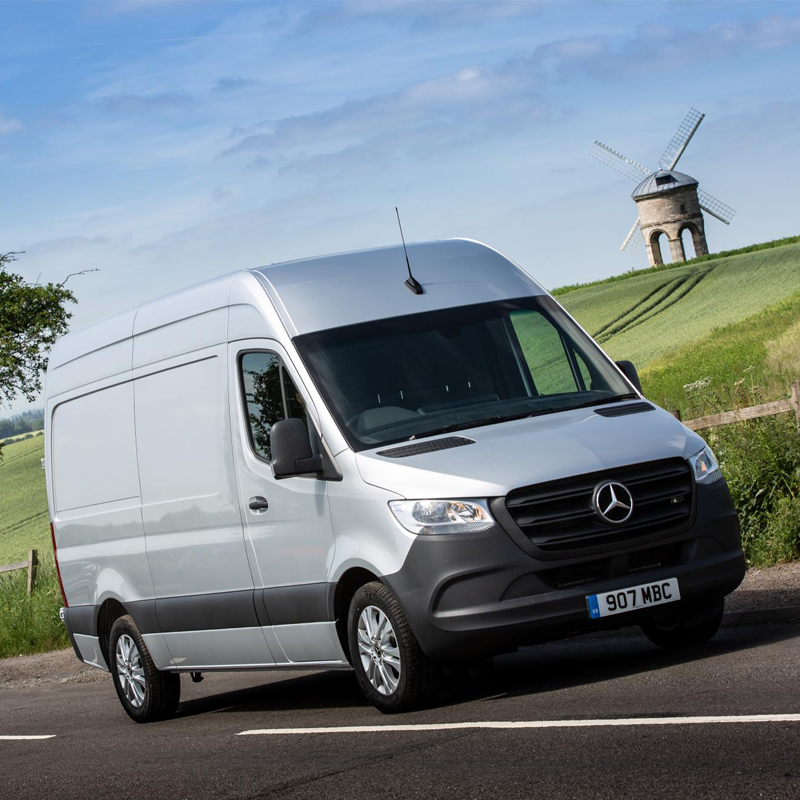
The Mercedes-Benz Sprinter secures a spot in the top five with a fuel efficiency of 32.8mpg with the 215 L1H1 model. Despite being the smallest in the range, even the larger 317 L4H2 manages an impressive combined result of 30mpg. The excellent 150hp engine generates a torque of 340nm, delivering both efficiency and power. The Sprinter maintains a reputation for ruggedness, reliability, and cost-conscious operation.
4. Peugeot Boxer / Citroen Relay – 32.8mpg
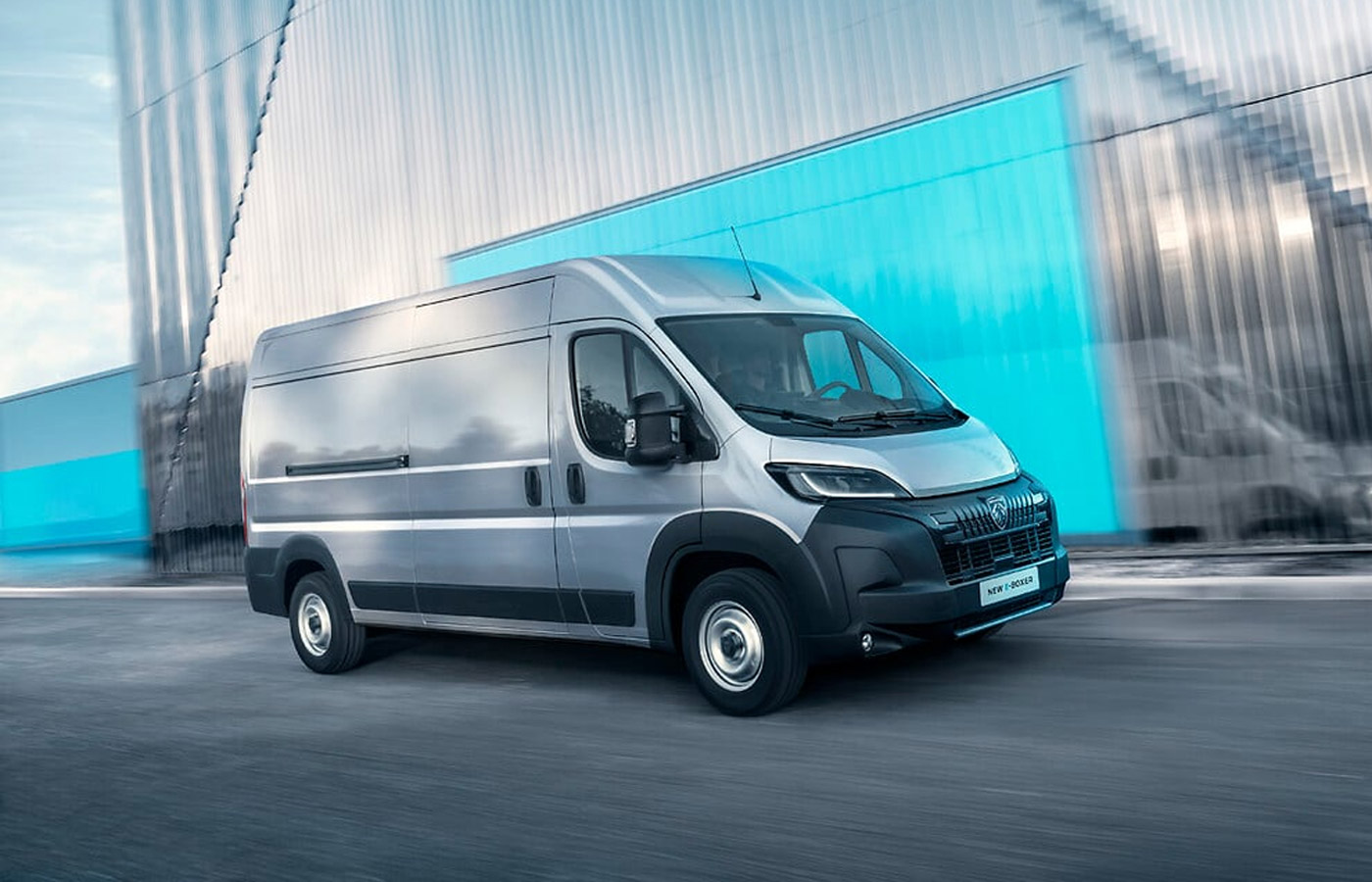
Sharing the third position are the Stellantis twins, Peugeot Boxer and Citroen Relay. The 120hp version of the 2.2-litre diesel unit delivers a superb 32.8mpg, offering the perfect balance between payload, loadspace, and running costs. These Euro 6.4 compliant engines contribute to future-proofing, albeit with a CO2 emissions figure of 273g/km.
5. Vauxhall Movano – 32.3mpg
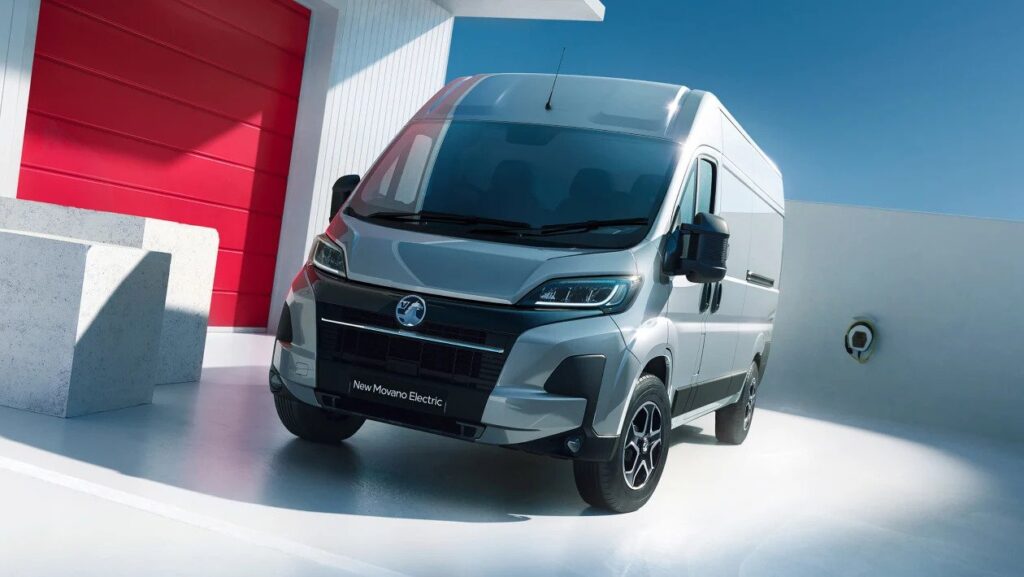
Closing the top five is the Vauxhall Movano, demonstrating efficiency with a fuel consumption of 32.3mpg. As part of the Stellantis group, the Movano aligns with the Peugeot Boxer, Citroen Relay, and Fiat Ducato. The 140PS engine manages a CO2 emissions figure of 240g/km, and delivers balanced all round performance.
FAQs on Economical Large Vans
Q1: Which fuel types offer the most MPG and why?
Diesel vans are generally more economical than petrol counterparts due to diesel fuel’s higher energy content and a more efficient combustion process.
Q2: Does driving style affect a van’s MPG?
Yes, aggressive driving, hard acceleration, and braking can impact fuel efficiency negatively.
Q3: How can one drive more economically and save fuel?
Smooth driving, anticipating braking, gentle acceleration, maintaining lower top speeds, and avoiding hard acceleration contribute to reduced fuel consumption.
Q4: What is the difference between WLTP and NEDC?
WLTP (Worldwide Harmonised Light Vehicle Testing Procedure) replaced NEDC (New European Driving Cycle) to provide more realistic MPG figures based on dynamic driving cycles.
Q5: Why do Euro 6 standards matter?
Euro 6 emission standards regulate acceptable emission levels from diesel engines. Compliance is crucial, especially with the rise of low emission zones in urban areas.
Facts to Consider
Fuel efficiency remains an important factor when choosing a van or fleet or vans, especially with the UK Government’s commitment to phasing out combustion engines by 2030. These top five large vans offer a range of choices in terms of van type, catering to various business needs. Whether payload, loadspace, or a legendary name like the Ford Transit matters most, Crusader Vans can assist businesses find a the ideal large van.