As you approach the end of your Ford Transit lease with Crusader Vans, it’s essential to prepare for the lease-end inspection to ensure a smooth and hassle-free return of your lease vehicle. Whilst most vehicles receive fair wear and tear, this process is crucial as it determines the van’s overall condition and identifies any potential areas that may need attention. Here’s a detailed, step-by-step guide to help you navigate through this process.

What is a Ford Transit Lease?
A Ford Transit lease with Crusader Vans is a contractual agreement where you, the lessee, can use the Ford Transit van for a specified period while making regular monthly payments. This arrangement allows you to enjoy the benefits of driving a new van without the long-term commitment and responsibilities of ownership. At the end of the lease term, the vehicle is returned to us, and it undergoes a lease-end inspection to assess its condition and determine any additional costs for damages beyond normal wear and tear. This leasing option is popular among businesses and individuals seeking a reliable and versatile vehicle for their varying needs, offering a balance between utility and affordability.

The Types of Ford Transit Lease Available
Let’s take a look at the types of van lease available with us:
Van Hire Purchase
Under this arrangement, you agree to buy the van through a series of fixed monthly payments over an agreed period. Once all payments have been made at the end of the term, you gain full ownership of the vehicle.
Learn more on Hire Purchase here.
Van Finance Lease
Our Van Finance Lease is a commercial vehicle leasing option where you rent a Ford Transit van for a fixed monthly fee over a predetermined period. At the end of the lease term, you have the option to either pay a final balloon payment to take ownership of the van or continue to lease it by paying a secondary rental fee.
Learn more on Finance Lease here.
Van Contract Hire
With our Van Contract Hire, you enter into a contract to hire a Ford Transit van for a set period with fixed monthly rental payments. This option does not offer the possibility of ownership at the end of the term; instead, the van is simply returned to us.
Learn more on Contact Hire here.
Van Lease Purchase
We offer Van Lease Purchase as a financing option that combines elements of leasing and buying. You agree to make monthly payments to use the Ford Transit van, with the option to purchase the vehicle at the end of the lease term. A significant portion of the van’s purchase price is deferred until the end of the agreement, resulting in a final balloon payment if you decide to buy.
Learn more on Lease Purchase here.

Understanding Your Lease Agreement
Begin your preparation by thoroughly reviewing your lease agreement. This document is a treasure trove of essential information, outlining the guidelines and standards expected when returning the leased vehicle. Familiarising yourself with the British vehicle rental system’s fair wear and tear guidelines is also beneficial. A deep understanding of these elements is fundamental, providing clarity for the inspection and highlighting any potential areas that might need attention, ensuring adherence to the lease terms and paving the way for a hassle-free return. You can view more information on the agreement here. Being proactive in this stage means adhering to the lease terms, and will help to pave the way for a smooth and hassle-free Ford lease return.

Deciding on The Next Steps
As your Ford Transit lease period draws to a close, thinking about your next steps is important. This involves considering whether you wish to extend the lease, purchase the vehicle, or explore alternative leasing options.
This facilitates a seamless transition post-lease, allowing you to make informed decisions that align with your individual or business needs. Engaging in conversation with Crusader can provide valuable insights and guidance, aiding you in evaluating the available options and ensuring that your chosen path is both practical and beneficial.
By addressing this aspect proactively, you can avoid any last-minute uncertainties and ensure a smooth continuation of your vehicular arrangements, whether that involves a new lease, a purchase, or an extension.

Which Checks Should I Carry Out?
When returning your Ford Transit, there are a few checks we’d recommend you conduct before returning the vehicle to us:
The Initial Inspection
First, you’ll want to review the exterior of the Ford Transit. Document and photograph any issues, focusing on key areas such as body panels and bumpers. Identifying and noting the size and location of any imperfections, scuffs, scratches, or cracks is essential, as these can significantly affect the vehicle’s overall condition and what constitutes fair wear. Then, you’ll want to take a look at the following:
Light and Indicator Checks
Verify the functionality of headlights, brake lights, turn signals, and reverse lights. This step is a safety measure and a requirement for lease return, helping avoid any potential issues or additional charges at the end of your lease term.
Wheels and Tyre Examination
Next, turn your attention to the wheels and tyres, examining them for any signs of damage or excessive wear. It’s essential to ensure the tyre tread depth complies with UK legal requirements!
Interior Examination
Pay close attention to the condition of the seats, upholstery, and carpeting, looking out for any stains, tears, or signs of excessive wear that may have developed over time. This thorough examination will help to ensure the van meets all requirements in it’s interior.
Other Interior Checks
Additionally, you should test other aspects of the vehicle, such as the air conditioning, radio, and power windows, to confirm they operate optimally. Double-checking these before return means you can inform the leasing company of any faults.
Engine Bay Inspection
Next, lift the bonnet to embark on a detailed engine bay inspection. Be vigilant for any signs of leaks, corrosion, or unusual noises indicative of underlying mechanical issues. If you are unfamiliar with the intricacies of vehicle engines, enlisting professional assistance is a good idea. They can help you take a look at your van, identify any problems in the engine bay and give you helpful advice.
We’d recommend seeking expert guidance as it is accurate and ensures that every aspect of the engine is evaluated and any issues are promptly identified and addressed.
Monitoring Fluid Levels
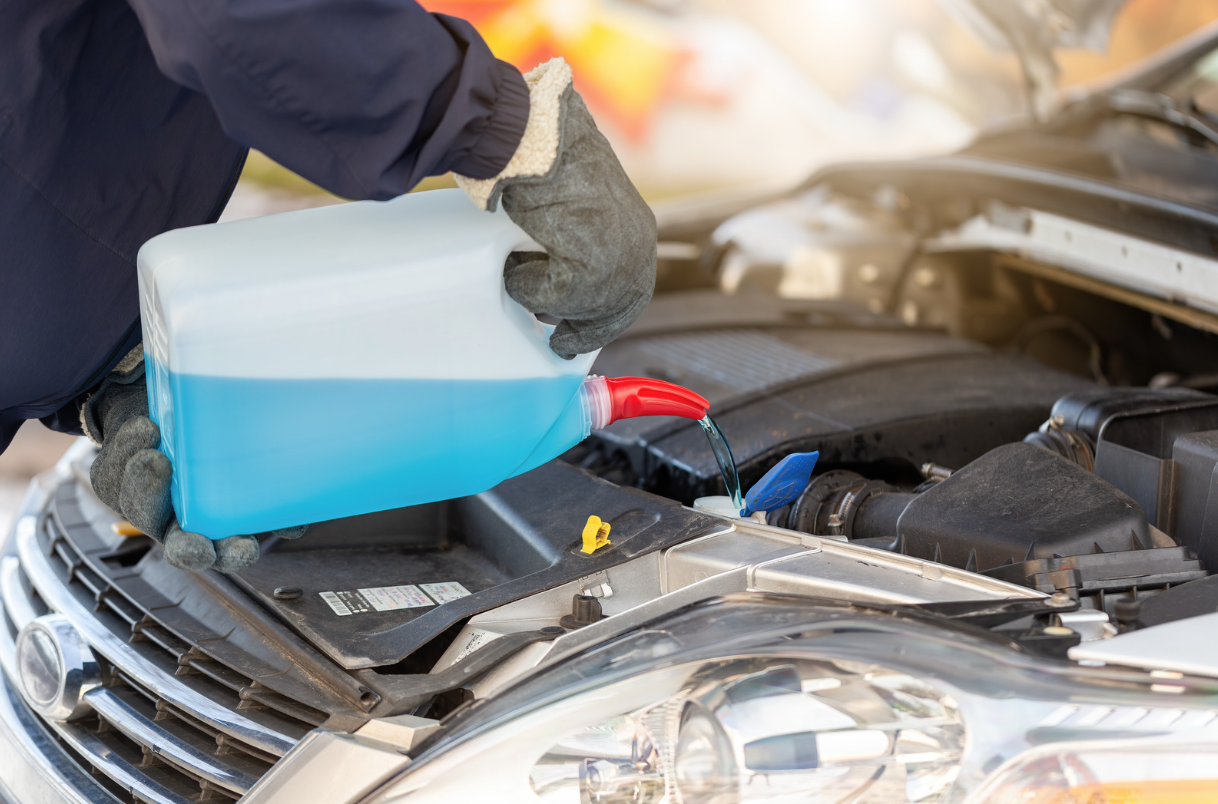
Allocate sufficient time to meticulously check the levels of all vital fluids in the van. This encompasses examining the oil, coolant, brake fluid, and windscreen washer fluid and making necessary top-ups. Upholding optimal fluid levels reflects diligent vehicle maintenance and is a pivotal element in the inspection process. Ensuring that each fluid is at its recommended level is integral to the vehicle’s performance and longevity, and it demonstrates responsible vehicle care, which is crucial.
Getting Documentation Together
Upon completion of the inspection, it’s essential to organise your findings meticulously. Assemble your detailed notes and clear photographs into a comprehensive and well-organised document. This document will act as a concrete record of the Ford Transit’s condition at the time of the inspection. It fosters transparency and provides a clear point of reference during the vehicle return process, ensuring that both you and the leasing company are on the same page regarding acceptable fair wear and tear.

Returning the Vehicle in Optimal Condition
Round off the preparation process by thoroughly cleaning the van, addressing both the interior and exterior. A well-cleaned and maintained Ford Transit is a testament to responsible vehicle stewardship and is more likely to align with the return standards we’ve set. Be meticulous in addressing the van’s exterior and interior, focusing on removing any stains or marks and ensuring the vehicle is presented in its most pristine condition.

Conclusion
By adhering to these steps with diligence, you position yourself to navigate the lease-end inspection seamlessly, culminating in a transparent and smooth conclusion to your Ford Transit leasing experience with us here at Crusader Vans. This thorough preparation is instrumental in circumventing any potential additional charges and significantly ensures a positive and fulfilling leasing journey. It reflects a sense of responsibility and commitment to maintaining the vehicle, which is highly valued in the leasing experience and sets the stage for any future leasing endeavours you might contemplate.
FAQs
We’ve answered some of the most frequently asked questions about preparing for the end of a Ford Transit lease inspection below:
What happens at the end of a van lease?
You will typically undergo an inspection process to assess the van’s condition. Any damages or excess wear and tear beyond the agreed terms may incur additional charges. After the inspection, you can either return the van, purchase it, or discuss options for a new lease, depending on the terms of your initial rental lease agreement.
What condition does a lease car need to be returned in?
A leased vehicle needs to be returned in a clean, respectable condition. Wear and tear rules apply, so if the van has notable scratches, has received poor treatment and is in a condition the leasing company sees as unfit, you may lose your deposit. Alternatively, you may be required to pay a larger lump sum at the end to accommodate for repairs.
Are scuffed alloys fair wear and tear?
Minor scuffs are considered fair wear and tear; however, larger dents and deep scratches are considered to be damage to the vehicle. Ideally, this should be avoided where possible to avoid lease-end penalty charges.
What counts as damage to a car?
Damage is considered to be dents, scratches, and scrapes. The size of these depends on the level of damage to the car or van, so it is essential to ensure the van has as little as possible. The van finance company are entitled to charge you excess to fix the damage.